Conditions Commonly Treated
What Is Dry Needling?
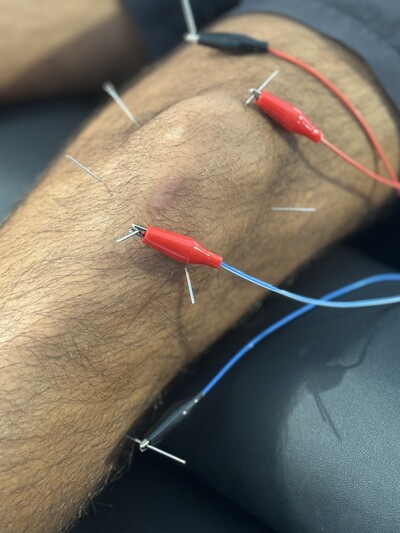
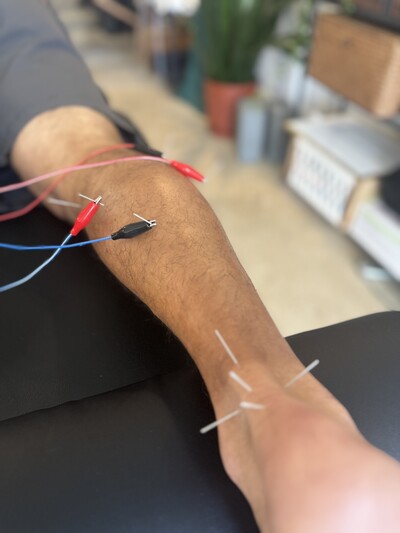
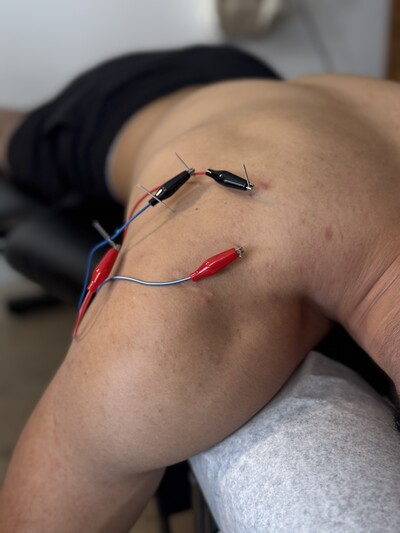
Dry needling is a modern therapeutic technique used by healthcare professionals to address muscle tightness, pain, and movement dysfunction. It involves the use of a thin, sterile filament needle inserted into specific muscles or trigger points to help reduce tension, improve blood flow, and restore normal movement patterns.
Despite similarities in the use of needles, dry needling differs from acupuncture. Dry needling is based on orthopedic and neuromuscular principles, focusing on muscle and soft tissue dysfunction rather than traditional Eastern medicine concepts.
Dry needling is commonly incorporated into a broader treatment plan that may also include:
- Corrective exercise
- Manual therapy
- Strength training
- Mobility work
- Rehabilitation programming
- Postural and movement retraining
Benefits of Dry Needling
Patients often report noticeable improvements in both pain and movement following treatment. Benefits may include:
Pain Reduction
Dry needling may help decrease muscular pain and irritation associated with trigger points, overuse, or injury.
Improved Mobility
Releasing muscle tension can improve joint range of motion and overall movement quality.
Faster Recovery
Athletes and active individuals often use dry needling to support recovery from training, repetitive stress, and muscular fatigue.
Reduced Muscle Tightness
Targeting dysfunctional muscle tissue can help reduce stiffness and improve tissue extensibility.
Improved Muscle Activation
Dry needling may help muscles contract and function more efficiently by decreasing protective guarding and inhibition.
Enhanced Performance
When combined with strength and mobility training, dry needling can support better movement mechanics and athletic performance.
